
Most households in the UK drink tap water without giving it much thought. It comes out clear, it tastes acceptable on most days and the infrastructure seems reliable. But clear water is not the same as filtered water. Municipal treatment removes bacteria and large contaminants, yet chlorine, limescale, microscopic sediment and trace compounds still reach your tap. Over time, that adds up, both in what you taste and what you consume.
Filtered water removes the aftertaste of chlorine, reduces hard mineral buildup and delivers a noticeably cleaner glass every time. For anyone who has switched to a dedicated filtration setup, going back to unfiltered tap water feels like a step backward. Waterdrop Filter builds systems designed around exactly that shift, offering under-sink and countertop filtration for homes that want better water without unnecessary complexity.
What Sets Reverse Osmosis Apart from Standard Filters
Not all filtration is equal. A basic carbon filter will improve taste and reduce chlorine, but it leaves dissolved minerals, heavy metals and other microscopic impurities largely untouched. Reverse osmosis works differently, pushing water through a semi-permeable membrane that removes dissolved solids, heavy metals and chlorine byproducts that standard filters consistently miss. The result is water that is noticeably cleaner in taste and significantly lower in total dissolved solids.
For households in hard water areas, the difference is particularly striking. Limescale deposits in kettles, coffee machines and pipes are a sign of high mineral content in tap water. A reverse osmosis system reduces that mineral load, which extends appliance lifespan and improves the taste of hot drinks. Waterdrop Filter offers tankless reverse osmosis units that deliver water on demand without storing it first, which also reduces the risk of secondary contamination from water sitting in a storage tank.
Under-Sink Filtration as a Practical Kitchen Upgrade
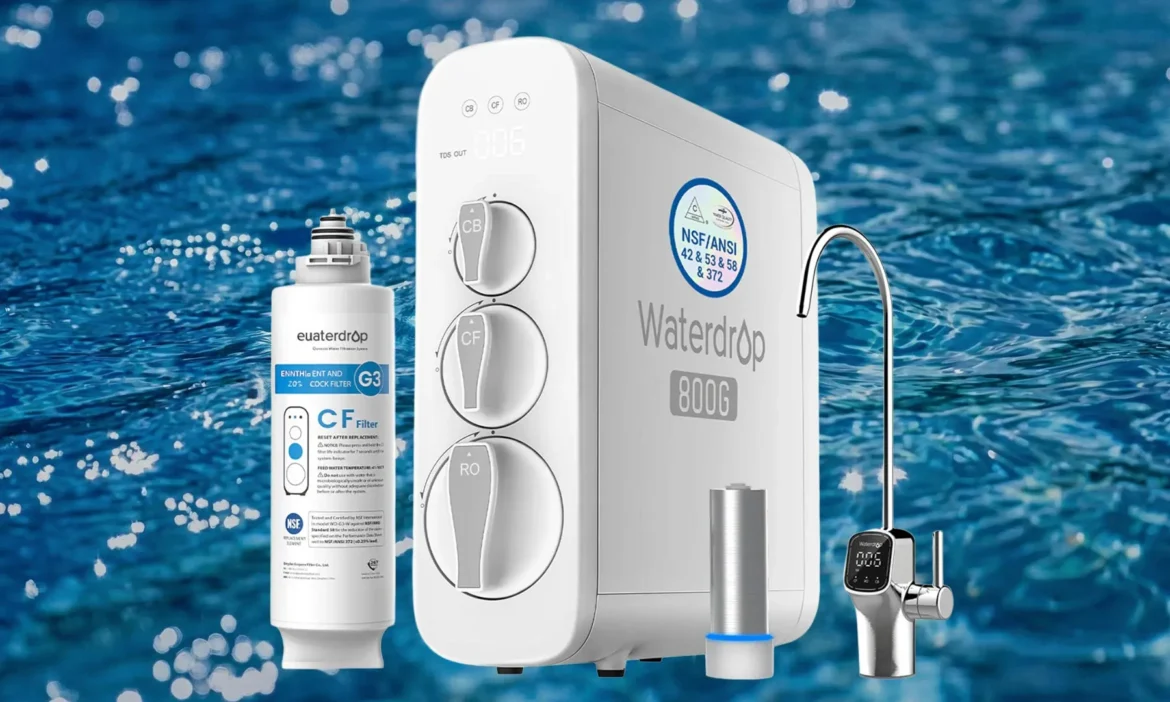
The appeal of an under-sink filter is straightforward. It sits out of sight, connects to the cold water line and delivers filtered water through a dedicated tap on the countertop. There is no pitcher to refill, no bulky unit taking up counter space and no daily reminder to interact with the system. The water is simply available whenever you turn the tap, which makes it easier to drink more consistently throughout the day.
Families with young children often find this arrangement particularly useful. Cooking with filtered water changes the flavor of dishes that rely heavily on water as a base, from rice and pasta to soups and stocks. Even the taste of tea and coffee improves when the water is free of mineral residue and chlorine. Waterdrop Filter systems are sized to fit inside standard kitchen cabinets, keeping the setup practical for everyday kitchens without requiring a renovation.
Key Features to Look for in a Home Water Filter
Not all filtration systems are built the same and the right choice depends on what you need to remove and how much water your household uses. A few factors stand out when comparing options
- Filtration stages, more stages typically mean broader coverage across different contaminant types
- Flow rate, which determines how quickly the system delivers filtered water at the tap
- Filter lifespan measured in litres or months, since longer-lasting filters reduce how often you need to replace them
- Installation type, under-sink systems require access to the cold water supply line and a spot for the dedicated tap
- Tank or tankless design, tankless units deliver water on demand without storing it and take up less cabinet space
For most UK households, a tankless under-sink system offers the best balance of filtration quality, space efficiency and low maintenance. It removes the most common complaints about tap water while fitting invisibly into the existing kitchen layout.
The Long-Term Case for Filtered Water at Home
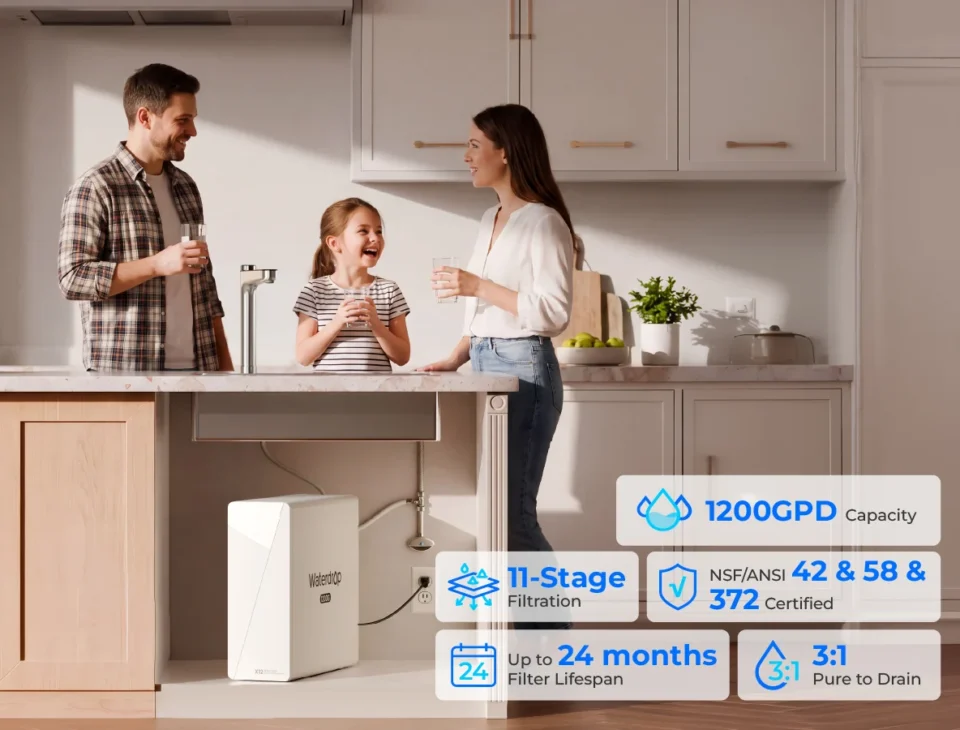
Bottled water is expensive and creates plastic waste at scale. A household that drinks two or three litres of bottled water per day spends a significant amount over a year and generates hundreds of plastic bottles in the process. A home filtration system eliminates that recurring cost while removing the environmental footprint of single-use packaging.
Maintenance for a home filtration system is less involved than most people expect. Filter replacements are periodic, often every six to twelve months depending on usage and the specific model. Waterdrop Filter offers filter replacements and subscription options so that keeping the system running requires minimal effort. Once the initial setup is done, filtered water becomes a background feature of the kitchen rather than an active daily task.
Countertop vs Under-Sink, Choosing What Fits Your Situation
The choice between a countertop unit and an under-sink system often comes down to installation flexibility. Renters or those in temporary accommodation tend to prefer countertop options because they connect to the tap without any plumbing work and can move with the household. Homeowners or anyone planning to stay in one place for several years, generally benefit more from an under-sink setup because it integrates cleanly with the kitchen and requires no daily interaction.
Both approaches deliver meaningfully better water than an unfiltered tap and both represent a genuine upgrade over relying on bottled water. Waterdrop Filter covers both categories, which makes it a practical starting point for households at any stage of the decision. The range of available systems means there is a realistic option whether you are renting a flat or fitting out a family home.
Clean water in your kitchen is a straightforward improvement to daily life, one that pays for itself in convenience, taste and peace of mind.