

For years, wellness trends followed the same predictable cycle. Quick-fix diets exploded online, celebrities endorsed miracle supplements, and social media pushed unrealistic body goals disguised as “health.” But something has noticeably changed in the past two years. Consumers are becoming less obsessed with rapid transformation and far more interested in sustainable metabolic health, energy, digestion, and longevity.
That shift explains why platforms like bmiMD are attracting attention far beyond traditional weight-loss conversations. Instead of positioning wellness as a short-term challenge, the brand leans into a more modern idea of health support that combines medical access, metabolic wellness, digestive care, and long-term lifestyle management.
The interesting part is that this mirrors where the wellness industry itself is heading. Consumers today want science-backed systems, physician-guided support, and products that fit real life instead of forcing extreme routines. In 2026, that feels less like a trend and more like a complete reset of how people think about personal health.
Why Metabolic Health Became the Wellness Conversation Everyone Suddenly Cares About
A few years ago, “metabolism” was mostly discussed in fitness communities. Now, it is everywhere. From podcasts to medical journals to social media wellness creators, metabolic health has become central to conversations about energy, aging, sleep, appetite, and overall wellbeing.
Part of this shift comes from growing public awareness around GLP-1 medications and how they have reshaped weight-management discussions worldwide. But consumers are also learning that metabolism affects far more than body weight alone. Energy levels, cravings, digestion, focus, recovery, and long-term wellness all connect back to metabolic function.
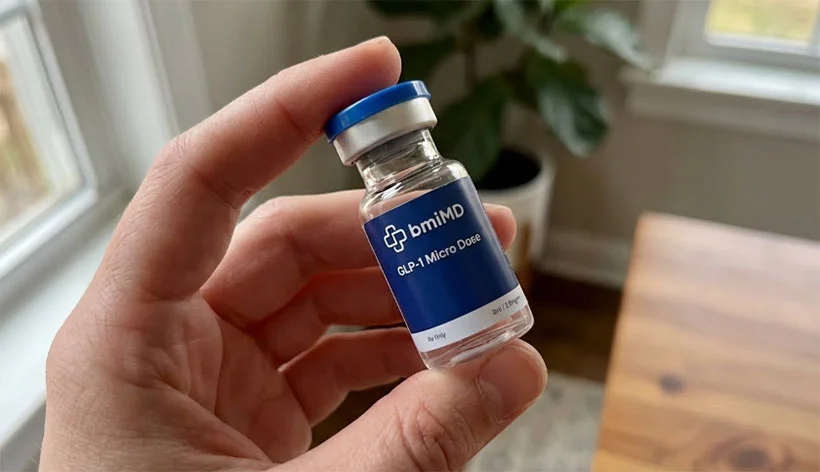
bmiMD positions itself directly inside this movement by offering physician-guided wellness programs alongside supplements and support products designed around metabolic health goals. The platform includes GLP-1-related wellness programs, digestive support products, NAD+ injections, Sermorelin treatments, and other metabolic-focused options.
Consumers are becoming increasingly skeptical of flashy wellness marketing that lacks medical credibility. Brands connected to licensed physicians, pharmacists, and structured support systems naturally stand out more in today’s wellness landscape because people want guidance, not just hype. That desire for structure is reshaping the entire industry.
The Rise of “Wellness Fatigue” and Why Simpler Systems Matter
Modern consumers are overwhelmed with wellness information. One week social media promotes fasting. The next week it is gut healing, cold plunges, hormone balancing, or biohacking routines involving dozens of supplements.
Many people are exhausted trying to keep up.
That exhaustion created demand for wellness systems that feel more practical and sustainable. bmiMD reflects this shift by focusing on guided programs and simplified support rather than endless complicated protocols.
The brand’s Natural Digestive Support supplement, for example, was specifically formulated to help support digestive comfort and manage gastrointestinal side effects often associated with GLP-1 therapies. Ingredients like ginger root extract and artichoke leaf extract are included to help ease bloating, nausea, and digestion-related discomfort.
This matters because digestive wellness has become one of the biggest topics in modern health culture. Consumers increasingly understand the relationship between gut health, mood, energy, appetite, and overall wellbeing. What once sounded niche now feels mainstream.
There is also a psychological shift happening. People are no longer chasing perfection as aggressively. Instead, many consumers want routines they can realistically maintain alongside busy schedules, work demands, and everyday life. Convenience and sustainability have become wellness priorities too.

Why Gut Health Became Bigger Than Beauty Trends
One of the most noticeable changes in wellness culture is how digestive health moved from private medical discussions into everyday lifestyle conversations. Gut health is now linked to energy, immunity, mental clarity, inflammation, and even skin appearance.
Research around the gut-brain connection continues expanding, fueling consumer interest in probiotics, digestive enzymes, microbiome support, and metabolic wellness products.
bmiMD taps directly into this growing interest through products focused on digestive support and metabolic balance. The company’s GLP+GIP Activation Boost supplement, for example, includes ingredients like bromelain, papain, lemon balm extract, and Vitamin B6 designed to support metabolism, appetite regulation, and digestive comfort.
Consumers are increasingly drawn toward wellness products that appear multifunctional rather than narrowly targeted. They want solutions that support energy, digestion, appetite balance, and recovery simultaneously because modern health concerns rarely exist in isolation.
The broader wellness market reflects this demand too. Supplements combining gut health, collagen, probiotics, and metabolic support continue gaining popularity as consumers prioritize holistic wellbeing over isolated beauty goals. The wellness conversation is becoming more interconnected.
Telehealth Changed What People Expect From Wellness Brands
One major reason companies like bmiMD feel especially relevant today is the rapid normalization of telehealth. Consumers are now far more comfortable accessing healthcare guidance, prescriptions, and wellness consultations online than they were before 2020.
That shift dramatically changed expectations around accessibility. People want healthcare systems that feel flexible, digital, and integrated into their lives instead of requiring complicated scheduling and long clinic visits for every wellness concern.
bmiMD operates entirely online with clinician-guided support, subscription delivery options, and wellness plans accessible from home. The platform highlights transparent pricing, online consultations, and recurring support systems as part of its model.
This especially appeals to consumers balancing demanding schedules. Busy professionals, parents, and remote workers increasingly prefer wellness platforms that reduce friction and simplify health management without sacrificing medical oversight.
There is also a comfort factor involved. Many consumers feel more comfortable discussing sensitive wellness goals, digestive concerns, or metabolic health online rather than through traditional in-person healthcare settings. Telehealth did not just improve convenience. It reshaped how approachable wellness support feels.
Why Longevity Culture Is Replacing Traditional Diet Culture
Another major wellness shift happening right now is the rise of longevity culture. Instead of chasing temporary transformations, more consumers are focused on maintaining energy, mobility, cognitive clarity, and overall vitality as they age.
This explains growing interest in NAD+, Sermorelin, metabolic optimization, and recovery-focused wellness products. bmiMD includes several longevity-oriented wellness offerings like NAD+ injections and Sermorelin therapies designed around energy support, anti-aging, recovery, and muscle maintenance.
The anti-aging conversation itself is also changing. Consumers are less interested in looking younger at any cost and more focused on feeling capable, energetic, and healthy long-term. Wellness is becoming connected to functionality instead of aesthetics alone.
That shift has changed how people evaluate wellness brands. Flashy marketing matters less than credibility, sustainability, and whether products realistically fit into everyday routines. Consumers are becoming more informed and selective.
What People Should Actually Consider Before Starting Wellness Programs
The modern wellness industry moves incredibly fast, which makes thoughtful decision-making more important than ever. Before starting supplements, metabolic programs, or wellness treatments, consumers should think carefully about what actually fits their goals and lifestyle.
Some important considerations include:
- Whether programs include medical oversight
- Ingredient transparency
- Long-term sustainability
- Digestive and metabolic compatibility
- Lifestyle flexibility
- Wellness goals beyond weight alone
- Support accessibility
- Realistic expectations for consistency and results
bmiMD appeals strongly to consumers looking for structured wellness support rather than isolated products. The combination of physician-guided systems, metabolic support, digestive wellness products, and telehealth accessibility reflects where much of the wellness industry appears headed next.
Consumers increasingly want wellness systems that feel integrated, manageable, and personalized instead of overwhelming.
The Future of Wellness Looks More Practical Than Performative
One of the most refreshing changes in modern wellness culture is that people are becoming less interested in perfection and more interested in sustainability. They want better energy, healthier routines, improved digestion, stronger recovery, and support systems that realistically fit everyday life.
That is why brands like bmiMD feel increasingly relevant in 2026. The company reflects a broader industry movement away from extreme diet culture and toward more holistic, medically guided wellness support.
The future of health may not revolve around dramatic transformations anymore. It may revolve around helping people feel better consistently, function better daily, and build routines that support long-term wellbeing without turning wellness into a full-time job.