

Skincare today is more confusing than ever. One scroll online and you’ll see dozens of serums promising glow, tightening, hydration, anti-aging, and “instant results.” But behind the noise, more consumers are starting to ask a simple question: what actually works and has real clinical backing?
That’s exactly where ALASTIN sits in the skincare landscape. Instead of focusing on hype or aesthetic branding, it belongs to the growing category of physician-dispensed, science-driven skincare—products often recommended in dermatology and aesthetic clinics for both daily use and post-procedure recovery.
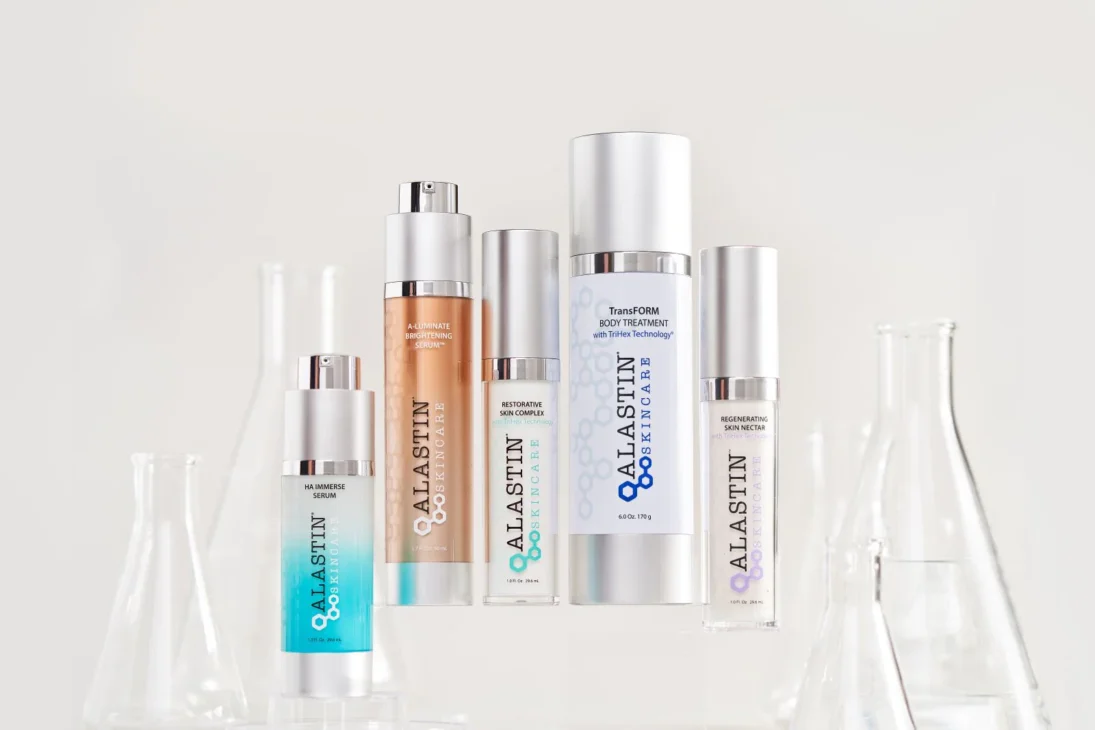
Founded in 2015, ALASTIN built its identity around clinically tested formulations designed to support skin regeneration, especially before and after cosmetic procedures. The brand is best known for its patented TriHex Technology®, which focuses on helping the skin clear damaged collagen and elastin while supporting the formation of healthier skin structures over time.
What makes it interesting today is not just the science, but the shift in consumer mindset. People are moving away from “guesswork skincare” and toward systems that feel more structured, guided, and results-oriented.
Skincare Is Becoming More “Dermatologist-Led” Than Trend-Led
One of the biggest changes in beauty right now is the growing trust in dermatologist-recommended routines over influencer-driven trends. People want skincare that feels grounded in clinical logic rather than social media cycles.
ALASTIN fits into this shift because it is widely used in medical settings and often recommended by skin professionals for pre- and post-procedure care, such as laser treatments or chemical peels.
This matters because consumers now prioritize:
- expert-backed recommendations over viral trends
- predictable results over experimental routines
- ingredient transparency tied to function
- skincare that complements medical treatments
In short, skincare is becoming less about “what’s popular” and more about “what is clinically supported.”
The Science Behind “Collagen and Elastin Support” Is Driving Demand
Modern anti-aging skincare is no longer just about hydration or smoothing. The focus has shifted toward how skin behaves at a structural level, especially collagen and elastin, which are responsible for firmness and elasticity.
ALASTIN’s approach centers on its patented TriHex Technology®, which is designed to help clear out damaged collagen and elastin fragments while supporting the skin’s natural renewal process.
Instead of treating skin only on the surface, the idea is to support the environment underneath it.
Consumers are increasingly drawn to this kind of science-led positioning because:
- aging is understood as structural, not just superficial
- long-term skin health is becoming a priority
- prevention is valued as much as correction
- ingredient mechanisms matter more than marketing claims
This deeper explanation of “how skin changes” is part of what makes medical-grade skincare feel more credible to many users.
Procedure-Enhancing Skincare Is a Growing Category
One of the less obvious but rapidly growing skincare categories is “procedure support skincare.” These are products designed to be used before and after aesthetic treatments to improve results and recovery.
ALASTIN is strongly positioned in this space, offering both daily skincare and procedure-focused lines designed to support treatments like microneedling, laser resurfacing, and injectables.
This category is expanding because:
- cosmetic procedures are becoming more common and accessible
- patients want faster, smoother recovery experiences
- skincare is now seen as part of treatment planning
- doctors are integrating topical skincare into procedures
Instead of skincare existing separately from treatments, it is becoming part of the same system.
The “Medical-Grade Skincare” Label Reflects a Shift in Trust
A major reason brands like ALASTIN stand out is the perception of “medical-grade” skincare. While the term itself is not strictly regulated, it is commonly associated with dermatologist-developed or clinically tested formulations.
ALASTIN is part of this physician-dispensed category, meaning its products are often sold through dermatology offices or professional channels rather than mass retail.
Consumers are drawn to this space because it signals:
- higher testing standards
- professional oversight
- stronger ingredient research
- more targeted skincare outcomes
At the same time, modern buyers are also more critical than ever, meaning trust must be earned through visible results and consistent performance, not just labeling.
Daily Skincare Is Becoming More Targeted and Functional
Another shift happening in skincare is the move away from overly complicated routines toward structured, functional steps with clear purposes.
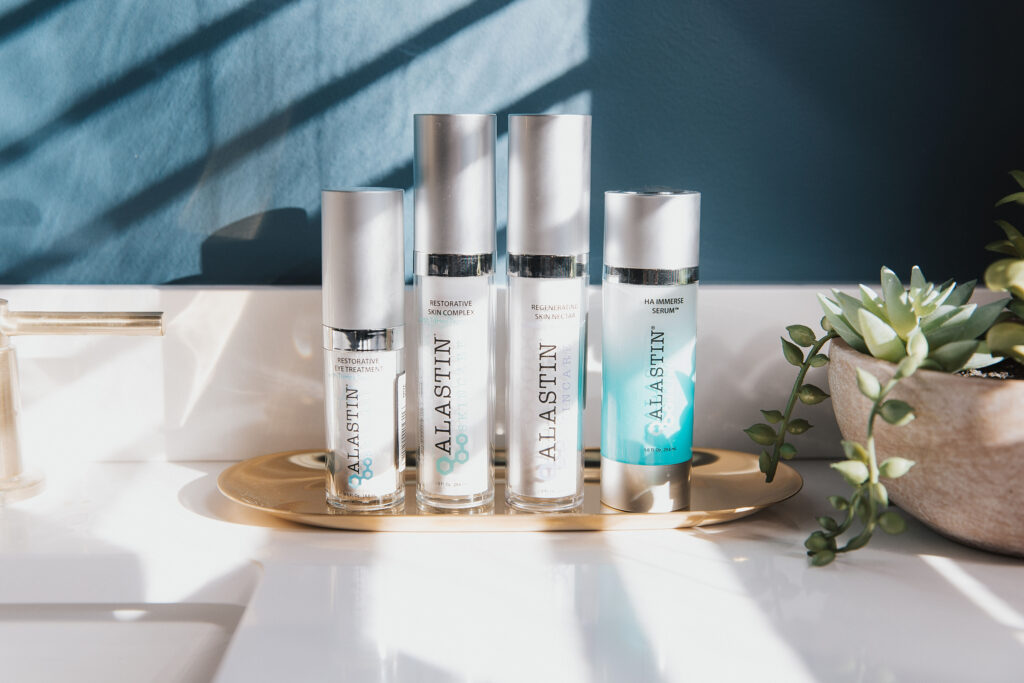
ALASTIN organizes its products into roles such as cleansing, targeting, renewing, and moisturizing, often building routines that are meant to be simple but highly intentional.
This reflects a broader consumer trend:
- fewer products, but more strategic use
- clearer understanding of product function
- focus on barrier health and skin resilience
- combining prevention and correction in one routine
Instead of layering many overlapping products, people are starting to prefer streamlined systems that are easier to maintain consistently.
Ingredient Awareness Is Changing What “Luxury Skincare” Means
Luxury skincare is no longer defined only by packaging or price. It is increasingly defined by ingredient innovation and scientific differentiation.
ALASTIN highlights ingredients like peptides, hyaluronic acid, and antioxidant systems, but its key differentiator is its proprietary technology approach rather than single “hero ingredients.”
Consumers today are more likely to ask:
- what does this ingredient actually do for my skin?
- is there clinical research behind it?
- does this formula do something unique or replaceable?
- how does it fit into long-term skin health?
This shift is pushing skincare brands to prove value beyond marketing language.
Why Science-Led Skincare Is Becoming the New Standard
The biggest change in skincare is not just product innovation, but expectation. People are no longer satisfied with vague promises or aesthetic branding alone. They want clarity, evidence, and consistency.
ALASTIN represents this evolution toward structured, science-backed skincare that fits into both professional treatments and everyday routines.
In a market full of noise, the appeal is simple: fewer guesses, more understanding, and a clearer path to long-term skin health.