

Brushing your teeth is one of the most routine habits in daily life, yet it’s also one of the most misunderstood when it comes to technique, time, and effectiveness. Dentists still recommend two minutes of brushing, but in reality, many people fall short of that goal or miss key areas without realizing it. That gap between “thinking you brushed well” and “actually removing plaque properly” is what has pushed innovation in oral care devices.
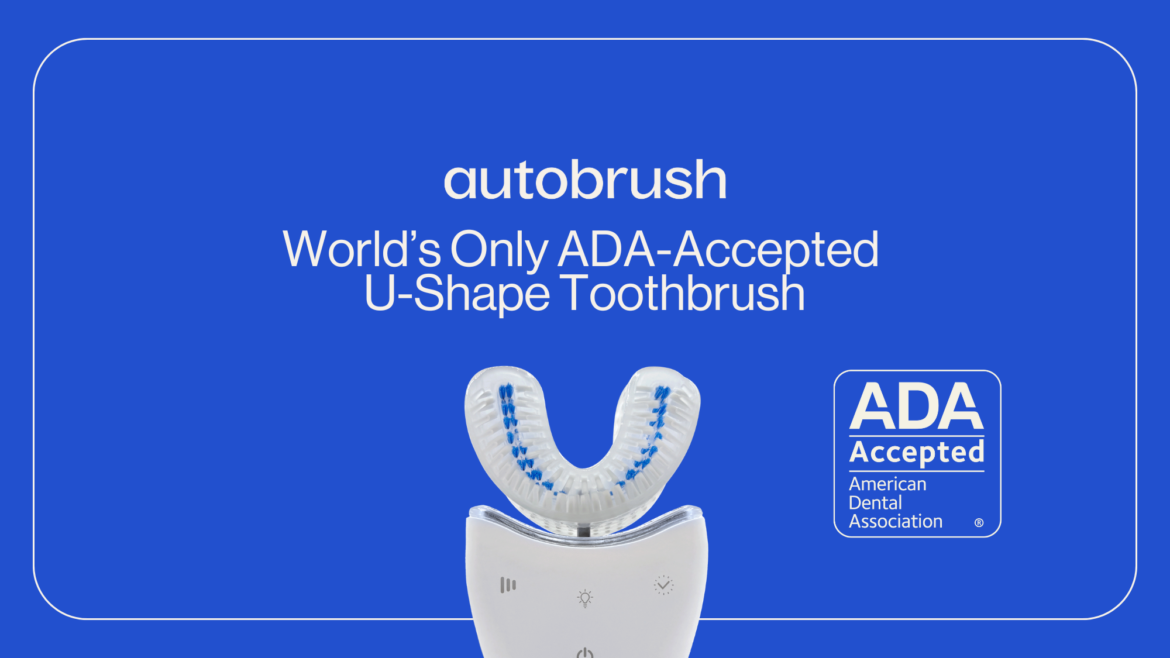
In that space sits autobrush, a U-shaped sonic toothbrush designed to clean all teeth at once in a much shorter time window. Instead of focusing on manual motion and technique, it shifts the model toward automation and consistency, aiming to reduce the effort barrier that often leads to rushed or inconsistent brushing.
What makes it interesting is not just the device itself, but the larger question it raises: is better oral hygiene more about time and technique, or about consistency and design?
The biggest problem in oral care is not knowledge, but consistency
Most people already know how long they are supposed to brush their teeth. The issue is not information, but behavior. Nighttime fatigue, rushed mornings, and distractions all lead to inconsistent brushing habits, even among people who care about their dental health.
autobrush targets this exact gap by simplifying the process into a short, structured cycle. Instead of requiring precise hand movement, it uses a mouthpiece-style design to cover multiple teeth at once with sonic vibration.
This matters because real-world habits look like this:
- brushing for less than the recommended time
- missing back molars or gumline areas
- inconsistent pressure or technique
- skipping brushing when tired or busy
- relying on “quick brush” routines
The core idea behind devices like this is not replacing dental knowledge, but improving consistency when motivation is low.
U-shaped toothbrushes are built around speed and full-mouth coverage
Traditional toothbrushes rely heavily on manual technique. You move the brush across sections of your mouth, making sure each surface gets attention. U-shaped designs take a different approach by trying to cover all teeth simultaneously.
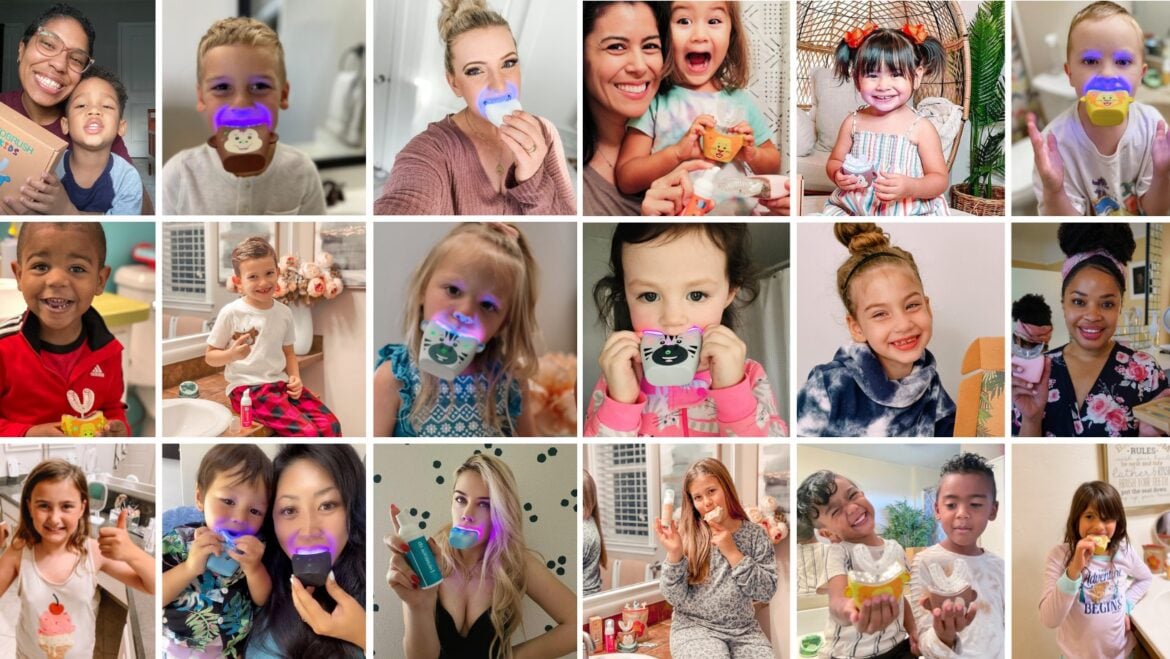
autobrush uses a sonic vibration system combined with a fitted mouthpiece shape to reduce brushing time while still targeting multiple surfaces at once. In clinical discussions and reviews, this approach is often highlighted for its speed and ease of use, especially for children and users with limited dexterity.
What users typically value in this format:
- significantly reduced brushing time per session
- simpler, more guided brushing process
- easier routine for children or caregivers
- less reliance on brushing technique
- more consistent daily use in practice
Research and reviews note that results can vary depending on fit, usage method, and user expectations, but the main appeal remains the same: making brushing easier to actually do every day.
The real advantage is behavior change, not just cleaning power
One of the most interesting insights from user feedback and product studies is that the value of devices like autobrush is often behavioral rather than purely mechanical. Even if a traditional electric toothbrush can achieve excellent cleaning results, it still depends on correct and consistent use.
U-shaped brushes shift that dependency by reducing the number of decisions and movements required. That makes them particularly useful for people who struggle with routine-building or fine motor coordination.
Common real-world benefits include:
- easier bedtime routines for families with children
- reduced resistance in users who dislike brushing
- improved consistency in daily oral care habits
- less reliance on technique learning
- faster completion of hygiene routines
In other words, the win is not just “better brushing,” but “brushing that actually happens.”
Not all U-shaped designs are equal in performance
One of the most important distinctions in this category is that not all U-shaped toothbrushes perform the same way. A major factor is the type of material used in the cleaning surface.
autobrush is often differentiated from lower-cost alternatives because it uses nylon bristles combined with sonic vibration, whereas many cheaper versions rely on soft silicone designs that tend to focus more on massaging than removing plaque effectively.
This difference matters because:
- nylon bristles create more mechanical cleaning action
- silicone materials may be gentler but less effective at plaque removal
- fit and contact pressure directly affect cleaning quality
- design quality influences gumline and molar coverage
- consistency of vibration impacts overall performance
Reviews and dental discussions frequently highlight that material choice is one of the biggest factors separating functional devices from novelty versions in this category.
The debate around effectiveness reflects a bigger shift in health tech
The discussion around autobrush is not just about one product. It reflects a broader shift in consumer health technology: whether convenience-driven tools can meaningfully replace or improve traditional habits.
On one side, supporters emphasize accessibility, consistency, and ease of use. On the other side, critics point out that traditional electric toothbrushes still offer stronger precision and proven long-term effectiveness when used correctly.
What both sides agree on is that:
- brushing consistency is more important than perfection
- user behavior strongly impacts oral health outcomes
- simple routines tend to be followed more reliably
- innovation is valuable when it improves real-world habits
- no device replaces flossing and dental care routines
The conversation is less about replacing dentistry, and more about improving adherence to it.
Why “less effort” might be the future of oral hygiene habits
Modern wellness trends are increasingly focused on reducing friction in daily routines. Whether it’s fitness, skincare, or nutrition, products that require less effort often win in the long run because they are more consistently used.
autobrush fits into this category by making brushing feel faster and simpler, especially for people who struggle with traditional methods. Even when results are debated, the behavioral impact is clear: easier systems tend to get used more often.
And in oral care, consistency is often the difference between maintenance and long-term problems.
When simplicity becomes the real innovation in daily health
The evolution of toothbrushes shows a clear pattern: innovation is no longer just about stronger cleaning power, but about better compliance. A perfect tool that is used inconsistently is less effective than a good tool used every day.
autobrush represents that shift toward simplifying one of the most repetitive health habits people have. Whether someone uses it as a primary tool or a supplementary option, it highlights a broader truth about modern health tech: the best routine is the one people actually stick to.