

Sun care used to begin and end with sunscreen. A quick layer before leaving the house, maybe another application at the beach, then forgetting about it entirely during the rest of the day. But over the last few years, people have started paying closer attention to how often they are actually exposed to UV rays. Long walks, outdoor workouts, school runs, driving, gardening, café hopping, even sitting beside a sunny office window all add up. Suddenly, sun protection stopped being a “summer only” conversation and became part of everyday wellness.
That shift is exactly why brands like Solbari are gaining attention in a much more meaningful way than typical fashion labels. Instead of treating UV protection like an afterthought, the brand built its identity around wearable protection that fits into real life. Not clinical-looking clothing. Not oversized hiking gear. Actual lifestyle pieces people genuinely want to wear. The result feels less like a niche product category and more like a smarter way of dressing for modern life.
The Rise of “Invisible” Sun Exposure Everyone Suddenly Notices
One of the biggest reasons people are rethinking their wardrobes is because UV exposure rarely looks dramatic in the moment. There is no immediate warning sign when someone walks their dog every morning without protection or spends hours driving with sunlight hitting one side of the face. The effects usually appear gradually over time through pigmentation, uneven texture, dryness, and premature ageing.
That growing awareness changed how people shop. They are no longer only asking whether clothes look stylish. They also want to know if what they wear works harder for them. Solbari became especially relevant because the brand responds directly to this lifestyle shift instead of chasing short-term fashion trends. The products are designed around UPF-rated fabrics that help block harmful UV rays while still feeling wearable enough for everyday routines.
What makes this especially appealing is how practical it feels. Many people struggle with constantly reapplying sunscreen throughout busy days. Protective clothing adds another layer of consistency. It does not replace skincare, but it helps simplify daily protection in a way that feels realistic for people with active schedules.
Why Protective Clothing No Longer Looks “Overprotective”
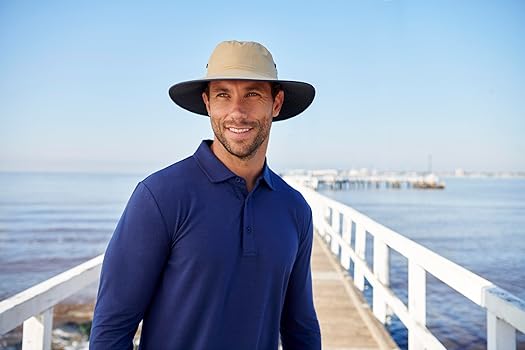
There was a time when sun-protective clothing often looked extremely technical or bulky. Many people avoided it because it felt disconnected from their personal style. That perception has changed dramatically, and Solbari plays a major role in that evolution.
The brand understands something many companies missed for years: people are more likely to stay protected if they actually enjoy wearing the clothes. Lightweight fabrics, breathable construction, flattering silhouettes, and neutral colour palettes make a huge difference in whether protective pieces become daily essentials or stay forgotten in the wardrobe.
This is particularly important for people living in hot climates where heavy fabrics can feel uncomfortable. Breathability matters just as much as protection. A lot of consumers now look for pieces they can wear during travel, errands, beach walks, outdoor lunches, or long commutes without feeling overheated. The practicality becomes part of the appeal rather than a compromise.
Some standout features people often consider include:
- UPF-rated materials for reliable protection
- Lightweight fabrics suitable for warm weather
- Breathable designs for everyday wear
- Wide-brim hats and face coverage options
- Versatile styling that works beyond outdoor activities
The fact that these pieces blend into modern wardrobes is part of why the category continues growing.
The Wellness Industry Quietly Embraced UV Protection
Another reason Solbari feels timely is because wellness itself has become more preventative. People are increasingly focused on long-term habits instead of quick fixes. Sleep quality, hydration, movement, stress reduction, and skin health are now viewed as connected parts of overall wellbeing.
Sun protection naturally fits into that conversation. Dermatologists and skincare experts consistently discuss how UV exposure affects visible skin ageing and overall skin condition. Consumers are listening more carefully than before, especially as skincare routines become more advanced and expensive. It makes little sense to invest heavily in serums and treatments while ignoring daily UV exposure.
That connection between skincare and clothing is where the brand feels particularly smart. Instead of positioning protection as fear-based, the products support a more balanced lifestyle approach. It becomes less about hiding from the sun and more about managing exposure intelligently while still enjoying outdoor life.
For people who spend significant time outside, that distinction matters. Nobody wants to feel restricted. The appeal comes from feeling prepared instead.
Travel Culture Made Smart Sunwear More Relevant Than Ever
Travel habits also changed how people think about sun protection. More people are booking tropical holidays, outdoor adventures, hiking trips, coastal escapes, and long walking itineraries. Even city breaks often involve hours outside under direct sunlight.
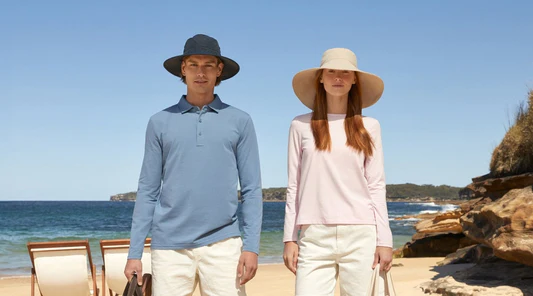
Packing versatile pieces became increasingly important, especially for travellers trying to avoid overpacking. Solbari fits naturally into that need because many of the pieces are multifunctional. A lightweight UV jacket can transition from airport outfit to sightseeing layer to beach cover-up without looking out of place.
That flexibility matters more than people realise. Travellers want clothing that solves problems without creating new ones. They want fewer items that do more. Protective fashion that remains comfortable in changing temperatures or different settings becomes genuinely useful rather than purely trend-driven.
There is also the reality that many holiday destinations now experience more extreme heat and UV conditions than travellers expect. People are becoming more proactive because the environmental reality feels harder to ignore.
The Emotional Side of Feeling Comfortable Outdoors
One of the most overlooked aspects of protective clothing is confidence. Many people deal with sun sensitivity, pigmentation concerns, post-treatment skin care, or simply discomfort after prolonged exposure. Clothing that offers coverage without sacrificing style can genuinely improve how comfortable someone feels spending time outside.
That emotional benefit is part of why brands like Solbari resonate with such a wide audience. The products are not only for athletes or retirees or skincare enthusiasts. They appeal to parents watching children’s outdoor sports, professionals commuting daily, travellers exploring cities, and people who simply want healthier long-term habits.
There is something reassuring about not having to constantly think about whether your skin is exposed. That mental ease becomes part of the value. Good design often works best when it quietly solves problems in the background.
Consumers today are especially drawn to brands that understand real-life frustrations instead of selling unrealistic perfection. That practical authenticity makes a major difference.
Why Smart Fashion Is Becoming More Functional Overall
Fashion itself is moving toward functionality in a bigger way. People increasingly expect clothing to do something useful beyond simply looking good. Moisture-wicking fabrics, temperature regulation, comfort stretch, wrinkle resistance, and UV protection are all becoming part of modern expectations.
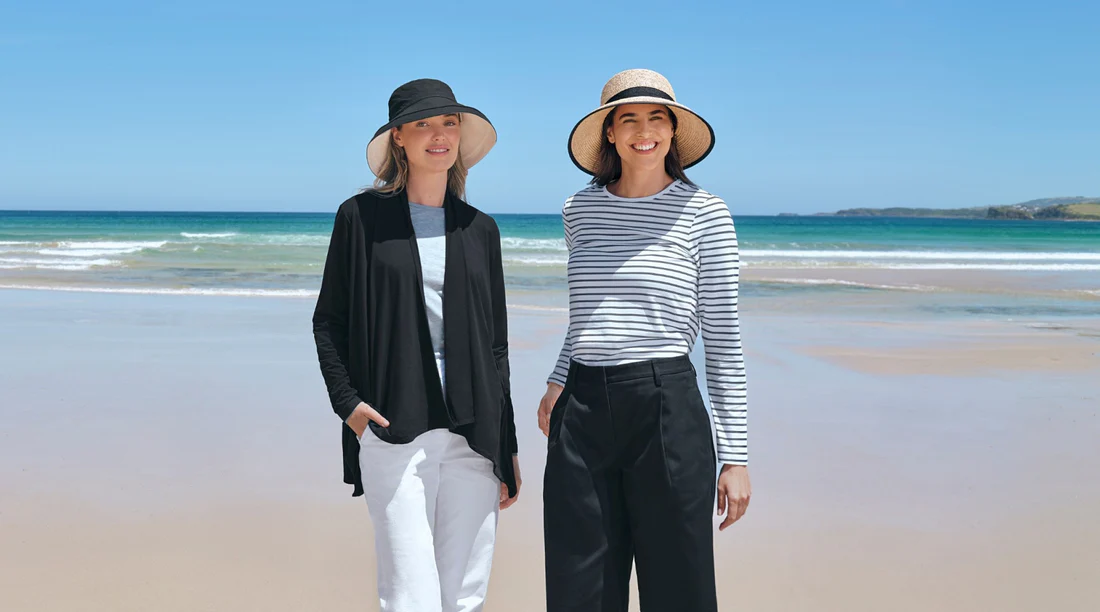
Solbari fits directly into this evolution because the brand combines protection with wearability rather than treating function and style as separate ideas. That balance helps explain why sun-protective fashion no longer feels like a niche category.
Consumers are becoming more informed, more preventative, and more intentional with purchases. They want pieces that align with how they actually live. In that environment, clothing designed around genuine lifestyle needs naturally stands out.
The brands earning long-term trust are usually the ones solving modern problems in simple, thoughtful ways instead of chasing loud marketing trends.
The Future of Sun Protection Looks Surprisingly Normal
The most interesting thing about the rise of Solbari is that it reflects a broader lifestyle shift rather than a temporary trend. People are becoming more aware of cumulative sun exposure, more protective of their skin health, and more interested in preventative wellness habits that actually fit into daily routines.
What once felt like specialty clothing now feels increasingly normal. That is usually the sign of a category that is here to stay.
The future of sun protection probably will not look extreme or complicated. It will likely look exactly like this: lightweight pieces people already enjoy wearing, quietly offering an extra layer of protection during everyday life. And honestly, that kind of practical innovation tends to last much longer than trends ever do.